
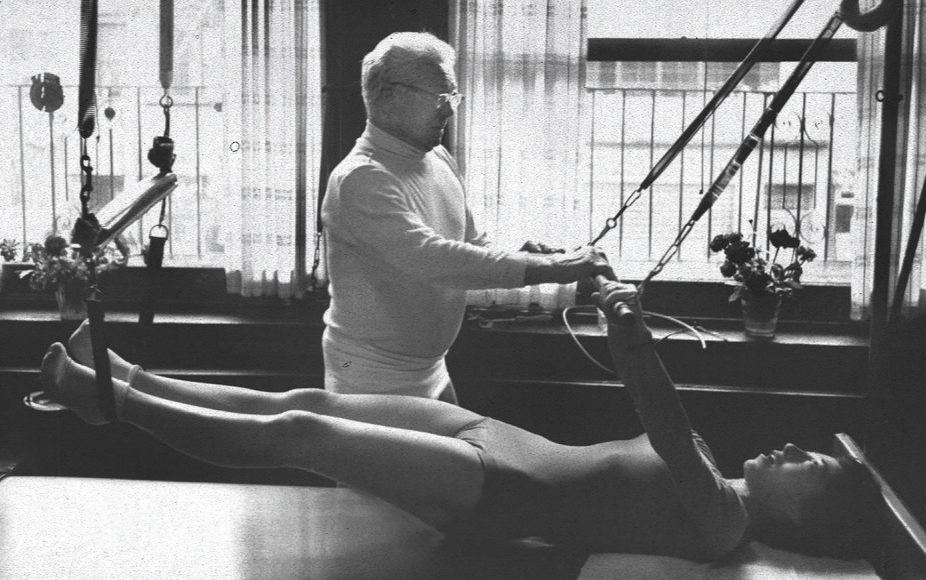
The carousel told the short version: a method built for injured bodies and professional dancers that slowly became a fitness trend. Here’s the longer story, with the dates, the people and a few myths separated from the facts, and what it means for how we practise today.
1 · A sickly child who studied movement
Joseph Hubertus Pilates was born in 1883 in Mönchengladbach, Germany. By his own account he was a sickly child, and he spent his youth building his body through gymnastics, boxing, skiing, diving and the study of anatomy. He also read widely across Eastern and Western movement traditions. That mix shows up later in his method: athletic, precise and attentive to breath.
2 · The internment camp and the springs
In 1912 he moved to England. When the First World War began, he was interned as a German national, first in Lancaster and then at Knockaloe camp on the Isle of Man. There he taught exercise to other internees.
The best-known story is that he attached springs to hospital beds so bedridden men could exercise against resistance. It’s widely told, including by people who trained with him, but it’s hard to verify in detail. What is clear is that the idea of training the body against springs, from lying down, came from rehabilitation, not from a gym. Today’s reformer and Cadillac are direct descendants.
3 · New York and the dancers
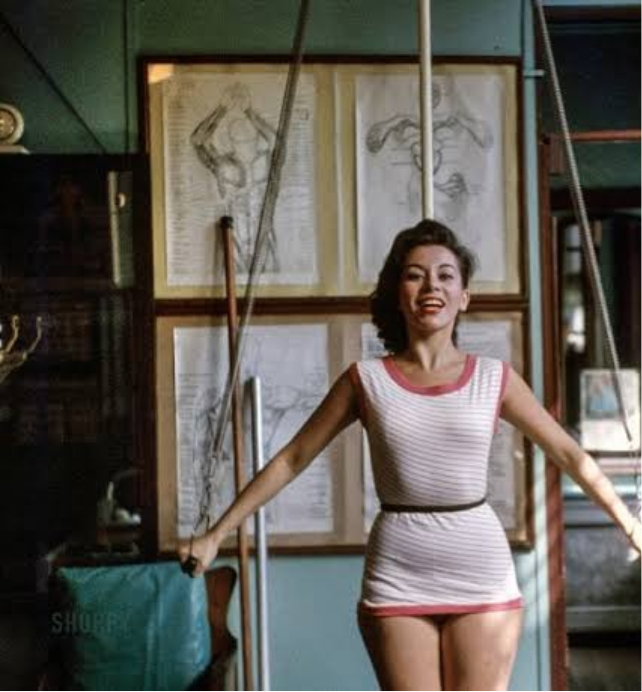
In 1926 Joseph emigrated to the United States. On the ship he met Clara, who became his partner and co-teacher. Together they opened a studio on Eighth Avenue in New York, in a building also used by dance studios.
Boxers, athletes and wealthy New Yorkers came. So did dancers, and over the following decades they became central to the studio. Choreographers George Balanchine and Martha Graham sent dancers to him to get stronger and recover from injury. (My carousel said his “first students” were from New York City Ballet. That company was only founded in 1948, so it’s more accurate to say dancers became his core clientele over time.)
4 · What he actually called it: Contrology
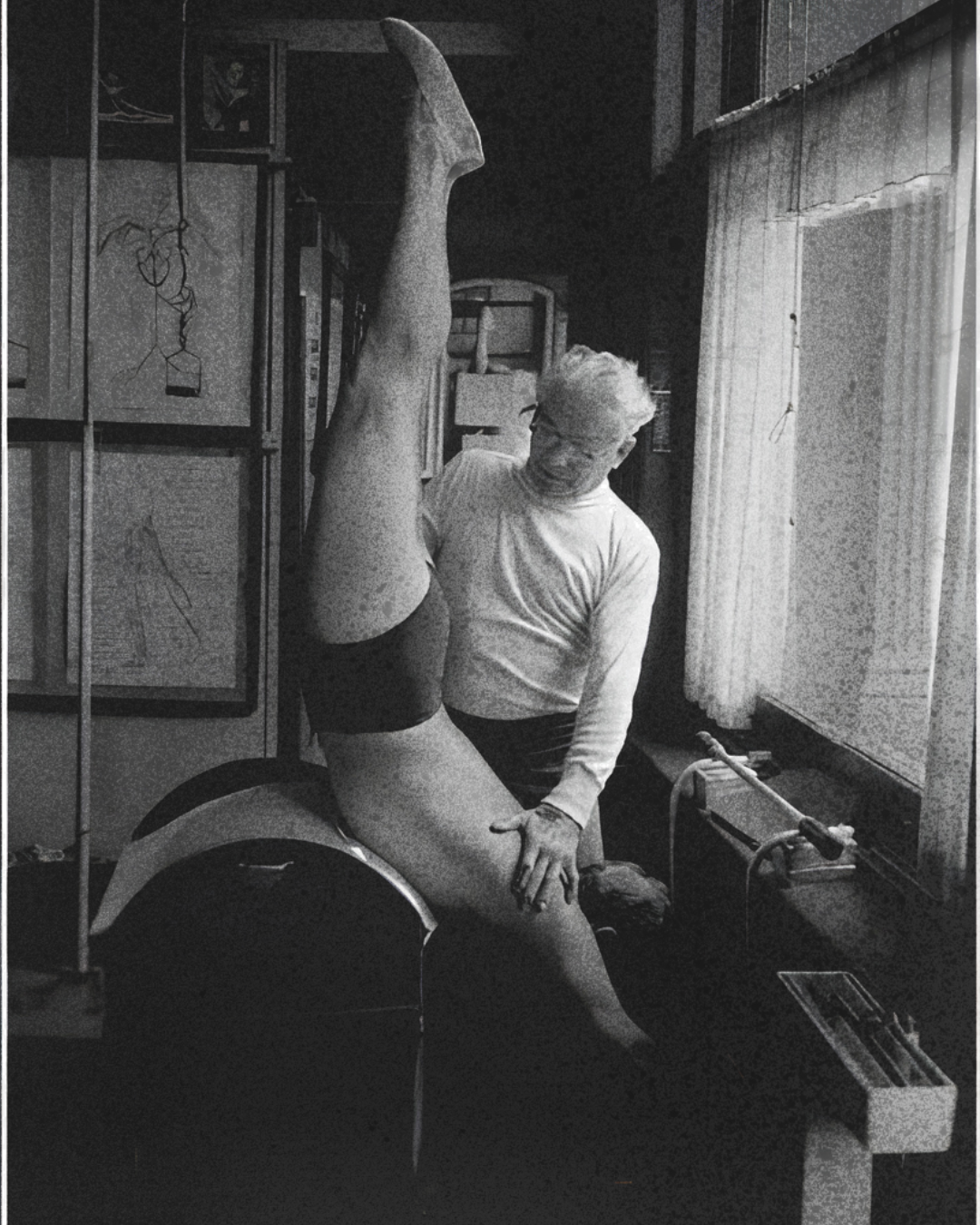
Joseph never called his method Pilates. He called it Contrology, and described it as the complete coordination of body, mind and spirit. He wrote two short books: Your Health (1934) and Return to Life Through Contrology (1945), which sets out 34 mat exercises.
He also designed a whole system of apparatus: the Universal Reformer, the Cadillac (or Trapeze Table), the Wunda Chair, the Ladder Barrel, the Spine Corrector and the Magic Circle. Each one changes the information the body gets: support, resistance, assistance, a moving base.
One more myth worth knowing: the famous “six principles” (centring, concentration, control, precision, breath, flow) don’t come from Joseph’s own books. His students and later authors drew them out of his teaching after his death.
5 · How one method became many
Joseph died in 1967. Clara kept teaching, and a group of his students, now called the “elders”, went on to teach the method in their own way. They included Romana Kryzanowska, Kathy Grant, Lolita San Miguel, Ron Fletcher, Eve Gentry, Carola Trier and Mary Bowen. Some kept the original order and repertoire closely. Others adapted it for rehabilitation, for dance or for their own bodies. That’s the root of the “classical vs contemporary” divide today.
A turning point came in 2000, when a US court ruled that “Pilates” was a generic term for a type of exercise, not a protected trademark. After that, anyone could teach and sell “Pilates”. The method spread worldwide, and its quality and depth started to vary enormously.
6 · Where the method got quieter
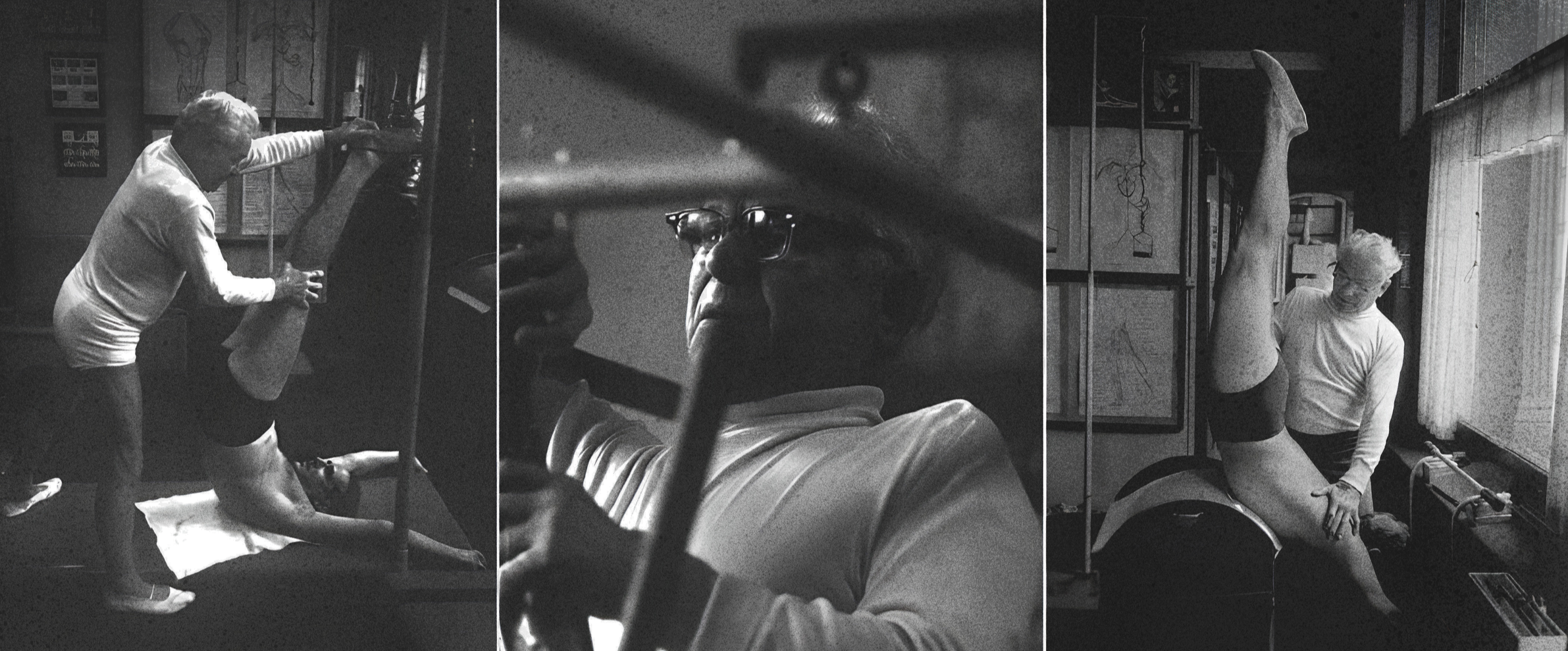
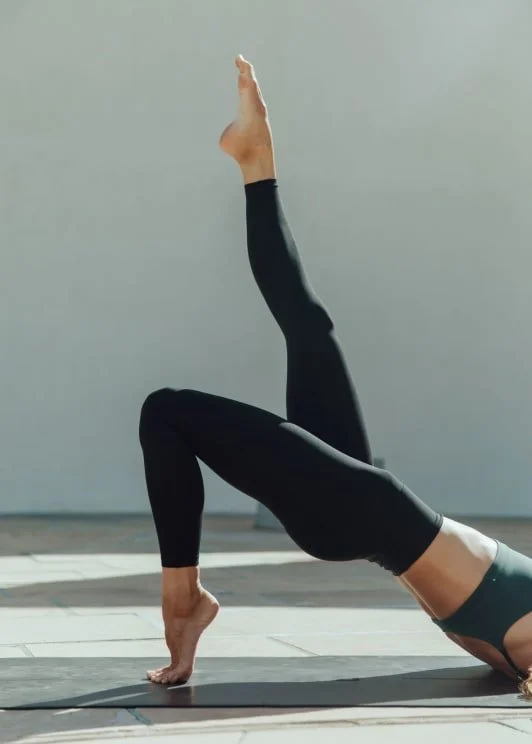
Many classes kept the reformer and the name but lost what made the method demanding: the full range of the repertoire, the variety of loads and speeds, the precision, and the why behind each exercise. Pilates became, in many places, a gentle “toning” class sold by how it makes you look.
That’s far from what Joseph built. His own films show a fast, athletic, dynamic practice.
Growth brought access, which is good. It also brought shortcuts.
7 · What modern bodies actually need
The original carousel described “modern posture problems”: tight hips, switched-off glutes, forward heads. Those patterns come from clinical models, like Vladimir Janda’s “crossed syndromes”, that are useful to look at but have little research behind them as causes of pain.
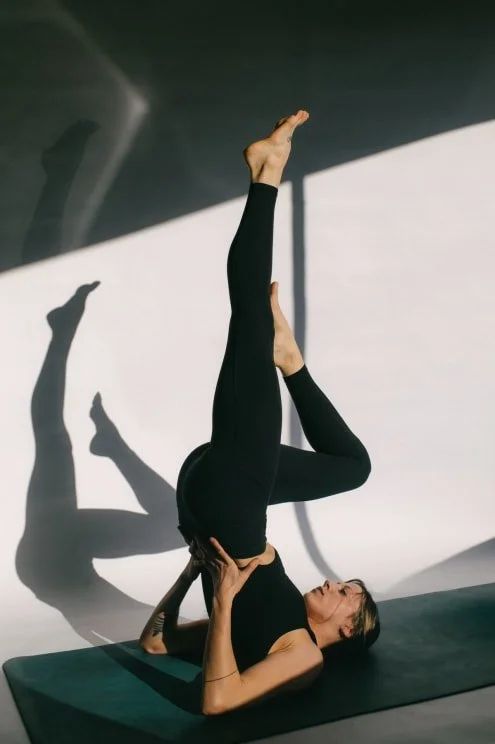
The bigger, better-evidenced problem is simpler: most of us move too little, and in too few ways. Long sitting time is linked with worse health outcomes, and the WHO recommends regular strength work for every adult (Bull et al., 2020). A method that trains strength, control, range and balance across the whole body answers that need well.
The research on Pilates itself is encouraging, if modest. It reduces pain and disability in chronic low back pain compared with minimal treatment (Wells et al., 2014; Yamato et al., 2015), and it improves balance in older adults (Barker et al., 2015).
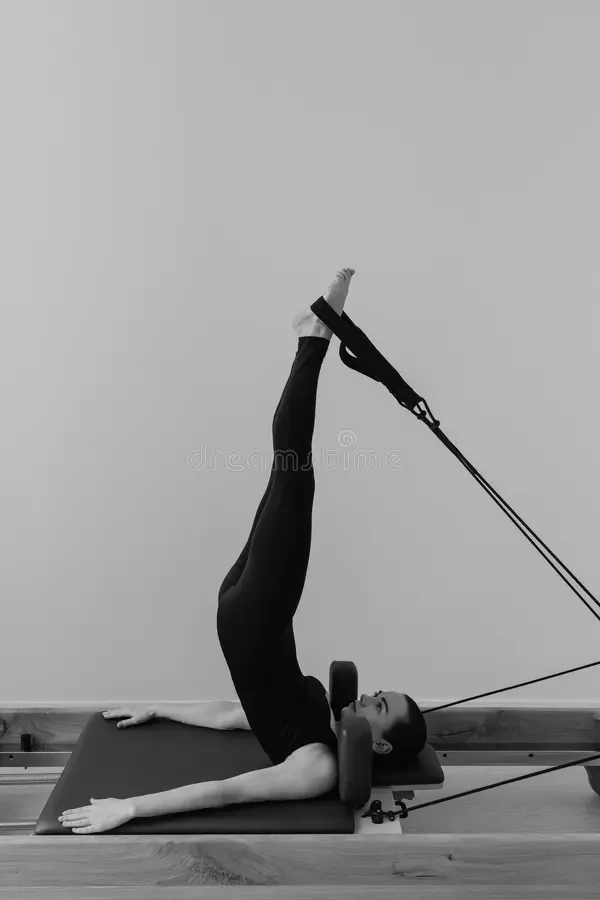
Pilates is not a miracle. But a well-designed, adaptable way to train.
8 · What I keep from Contrology
The whole body, every time. Not isolated muscles, but coordinated movement.
Real demand. Load, speed and variety, adjusted to the person, not removed.
Attention. Knowing what you’re doing and why, so it carries into your life outside the studio.
Adaptation. Joseph built his method for the bodies in front of him. So do I.
He built it for bodies under stress: internees, injured people, professional dancers. Modern bodies are under a different kind of stress. They still need the same thing: to move well, with control, in many ways.
Want to experience the method as it was meant to be: demanding, precise and adapted to you? Book a session.
References & Reading Material1. Pilates JH, Miller WJ. Return to Life Through Contrology. J.J. Augustin; 1945.2. Pilates JH. Your Health. 1934.3. Friedman P, Eisen G. The Pilates Method of Physical and Mental Conditioning. Doubleday; 1980.4. Bull FC et al. World Health Organization 2020 guidelines on physical activity and sedentary behaviour. Br J Sports Med. 2020;54(24):1451–1462.5. Wells C, Kolt GS, Marshall P, Hill B, Bialocerkowski A. The effectiveness of Pilates exercise in people with chronic low back pain: a systematic review. PLoS One. 2014;9(7):e100402.6. Yamato TP et al. Pilates for low back pain. Cochrane Database Syst Rev. 2015;(7):CD010265.7. Barker AL, Bird ML, Talevski J. Effect of Pilates exercise for improving balance in older adults: a systematic review with meta-analysis. Arch Phys Med Rehabil. 2015;96(4):715–723.