
Feet first: why every session starts at the feet
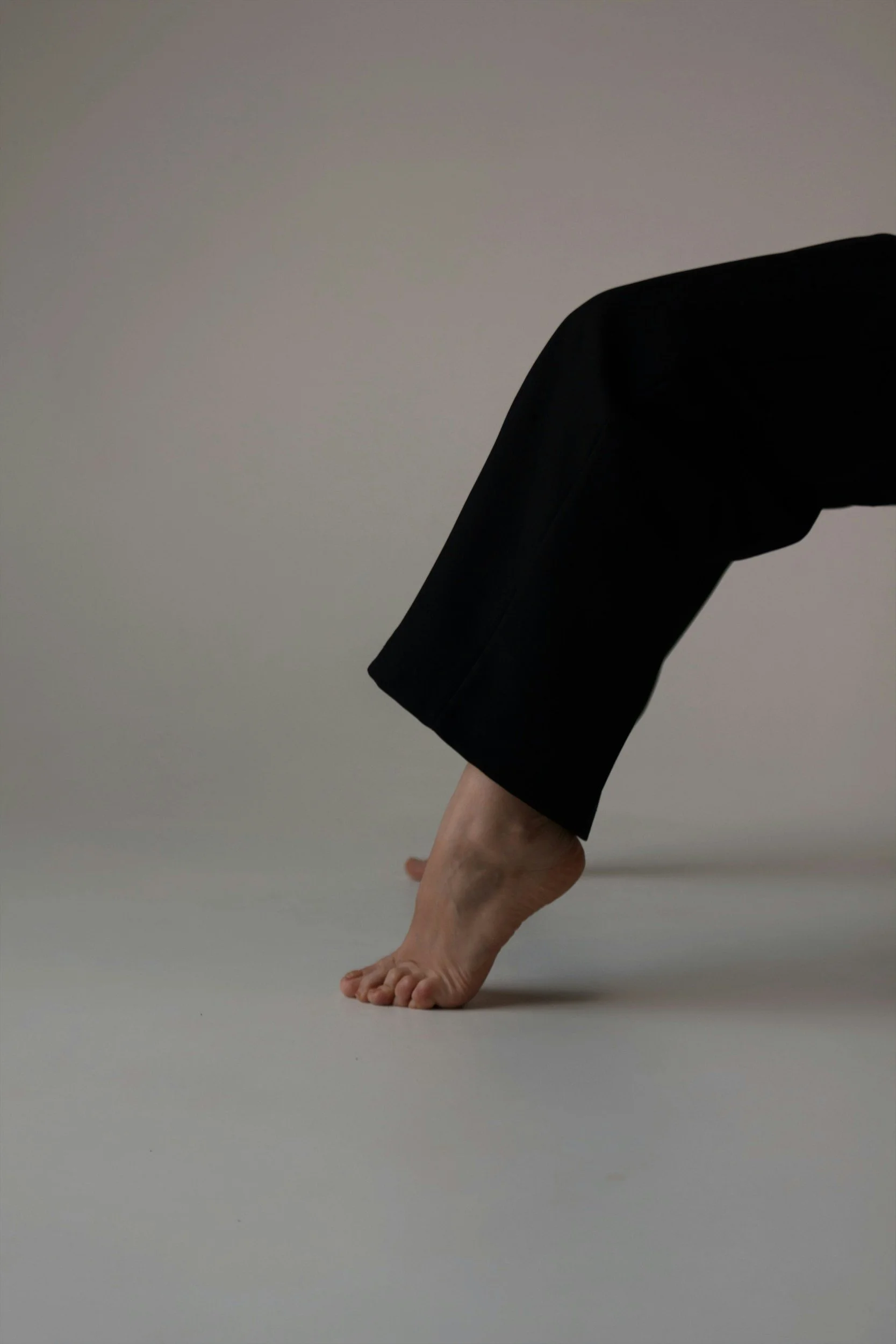
Before I touch the reformer. Before I cue a single breath. Before anything — I commonly start on the feet. Can be standing; it can be with footwork, depending on the purpose and intention for that specific class, but I mostly start at the feet.
I've been asked about this often enough that it deserves a proper answer. Because it isn't a warm-up routine, and it isn't a quirk of my teaching. It's anatomy. And once you understand what's actually happening in those first three minutes, you'll never think about feet the same way again.
What your feet are actually doing
The human foot has 26 bones, 33 joints, and over 100 muscles, tendons, and ligaments. Per square centimetre, it has more proprioceptive nerve endings than almost anywhere else in the body. These are the receptors that send information to the brain about position, pressure, movement — the body's primary sensory interface with the ground.
Before you ask the body to move, you have to ask it to feel. And we spend enough time not feeling at all, trapped in our computers and routines.
Movement builds from the ground up
What the foot does determines everything above it. A collapsed arch changes tibial rotation. That shifts how the knee tracks, which alters pelvic position, which changes how load is distributed through the lumbar spine.
I spent years cueing hip alignment before I fully understood this. Now I know: cueing the hip while ignoring the foot contact is like trying to fix a building's ceiling while the foundation is cracked. You're working on the wrong level. When the feet root properly, the chain above organises itself.
The line you've probably never heard about in a Pilates class
This is the part that changed how I teach.
In Thomas Myers' Anatomy Trains work, there's a fascial line called the Deep Front Line. It runs from the intrinsic foot muscles and plantar fascia, up through the tibialis posterior, through the deep hip rotators and inner groin, through the pelvic floor, the psoas, and the diaphragm.
Activate the arch of your foot — and the pelvic floor co-activates. Without a single cue. Without the word "core" or "draw in" or anything else.
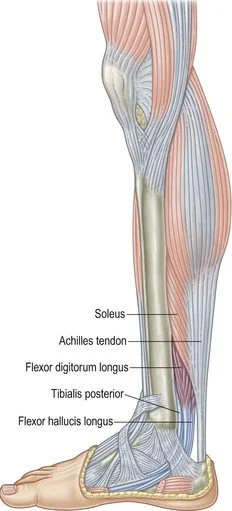
The research on this is detailed: intrinsic foot activation produces measurable co-contraction of the pelvic floor. The foot literally talks to the pelvic floor. And because the pelvic floor and diaphragm work in sync as pressure regulators — they share fascial continuity and respond together to breath — the line completes itself.
Feet → pelvic floor → diaphragm One line. One beginning.Three exercises we use to open every class
① Foot mapping. Stand. Find the tripod: the big toe mound, the little toe mound, and the heel. Shift weight slowly through the three points. Lift all the toes, spread them, lower them one by one. The goal isn't to do this perfectly - it's to notice which parts of the foot feel asleep. Proprioception has to be switched on before it can be useful.
② Short foot/doming. Without curling the toes, try to shorten the distance between the ball of the foot and the heel by doming the arch. Hold for five to eight seconds, release. As you dome, pay attention to the inner ankle, the inner thigh - and subtly, the pelvic floor. I never name what they're going to feel. I just ask them to notice. And then: did you feel that? That moment of discovery lands differently than any anatomy lecture I could give.
③ Heel raises with breath. Slow heel raises: inhale as you rise, exhale as you lower. With attention on how the breath changes when the feet are actively gripping versus passively resting on the floor. This makes the foot–diaphragm connection tangible. Not a concept, an experience they now own.
Three to five minutes. Before the reformer. Every class.

Coming to Moow?
This is how every session starts — and why. If you want to understand more about how we work before you book, there's more on the About page. Or just come and feel it for yourself.
