
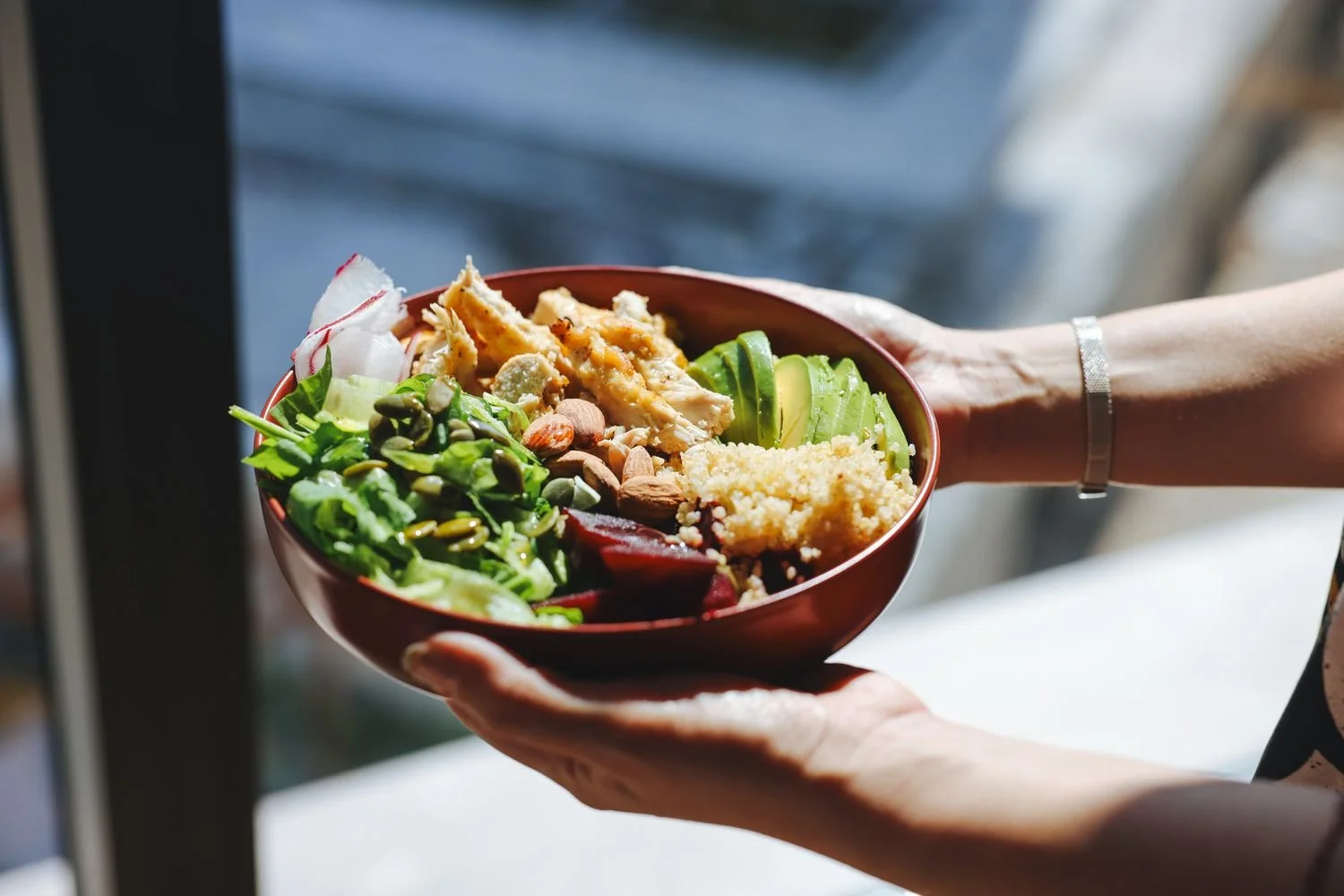
Most people I meet don’t eat too little protein overall. They eat it at the wrong time: a coffee and a pastry in the morning, and most of the day’s protein at dinner. For anyone who trains, and especially from midlife onwards, that pattern matters more than the total. Here’s what the research suggests, and what it looks like on a real plate.
General, evidence-based information, not individual advice. If you have a medical condition — especially kidney disease — or a complex relationship with food, consult a qualified professional.
1 · What protein does
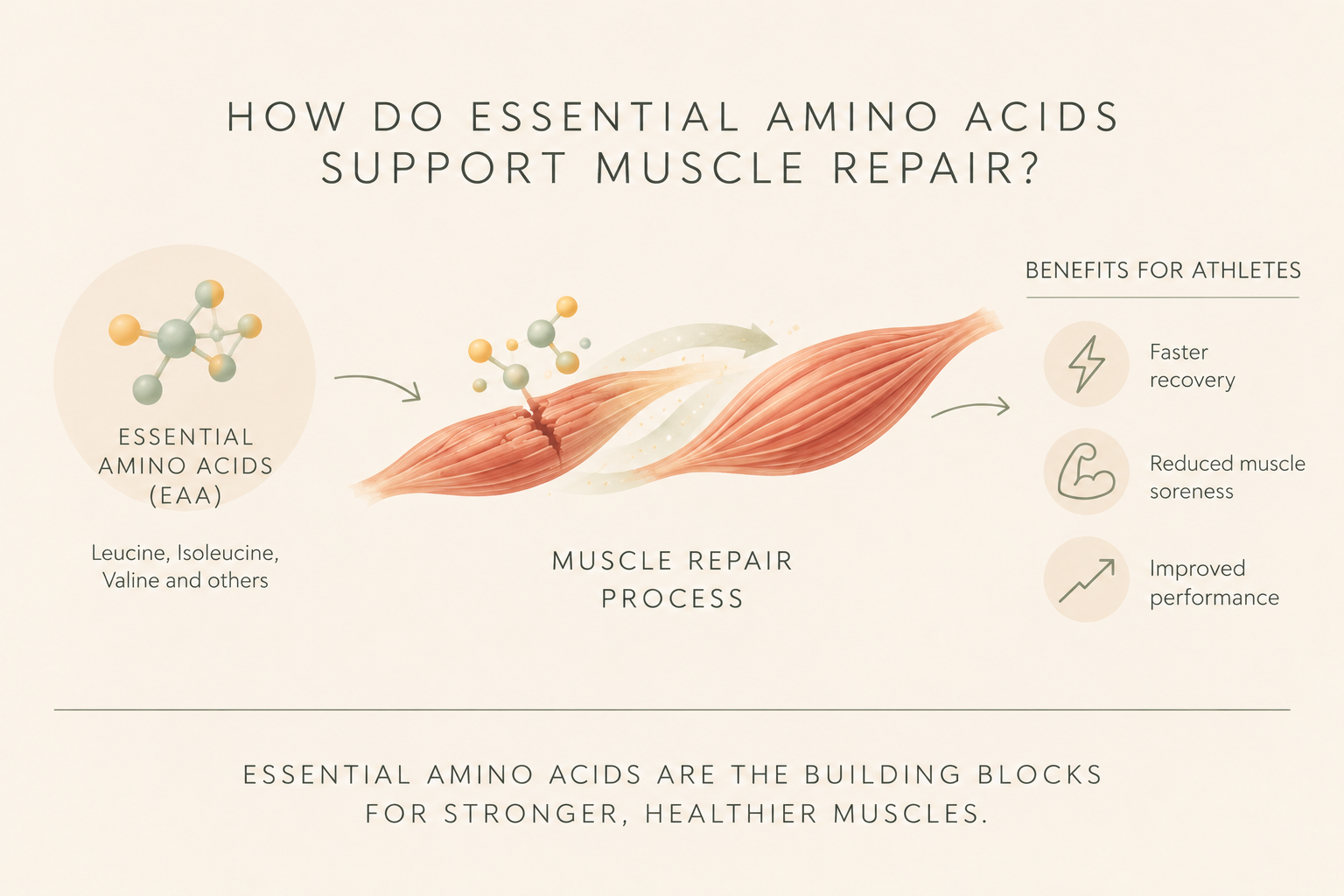
Eating too much protein can mean missing out on other important nutrients your body needs. Carbohydrates from foods like fruit, vegetables, whole grains and legumes provide fibre, vitamins and minerals that help keep your energy levels up and support recovery. Fats are just as important. They help your body absorb vitamins A, D, E and K, and provide omega-3 fatty acids, which support heart health and help regulate inflammation.
Too much protein can also be a concern for people who already have kidney problems. Another issue is that focusing too much on protein can make your diet less varied, meaning you may miss out on important nutrients and fibre that support a healthy gut.
The goal isn't to eat as much protein as possible, but to get enough to support muscle repair and growth while keeping your diet balanced. How much you need depends on factors such as your age, activity level and personal goals. For most active people, eating a variety of foods and combining different protein sources, both animal and plant-based, is a much better approach than focusing on protein alone.
Some simple ways to put this into practice:
Build balanced meals: Aim to fill half your plate with vegetables, a quarter with protein and the remaining quarter with whole grains or starchy vegetables.
Mix up your protein sources: Include fish, eggs, dairy, beans, lentils, tofu and nuts. This helps you get a wider range of nutrients and fibre.
Don't forget healthy fats: Add foods like avocado, olive oil, seeds, nuts and oily fish to your meals.
Eat according to your goals: If you're looking to build muscle, you may need more protein alongside the right training. If your goal is weight loss, focus on a calorie deficit while still eating enough protein to maintain muscle mass.
Consider your health: If you have kidney problems or another medical condition, speak to a healthcare professional before increasing your protein intake.
Ultimately, it's about balance. Protein is important, but so are carbohydrates, fats and all the other nutrients your body needs to function well.
2 · How much? The guideline is a minimum
The official reference intake in Europe is about 0.8 grams per kilo of body weight per day (EFSA, 2012). That’s the amount needed to avoid deficiency in most healthy adults. It wasn’t designed as an optimal amount for people who train.
The International Society of Sports Nutrition suggests 1.4–2.0 g/kg per day for people who exercise regularly (Jäger et al., 2017). A large meta-analysis found that the benefit of extra protein for strength and muscle gains levelled off at around 1.6 g/kg per day (Morton et al., 2018).
You don’t need to weigh or count anything to use this. For most active people, it simply means including a clear protein source at every meal, rather than only at dinner.
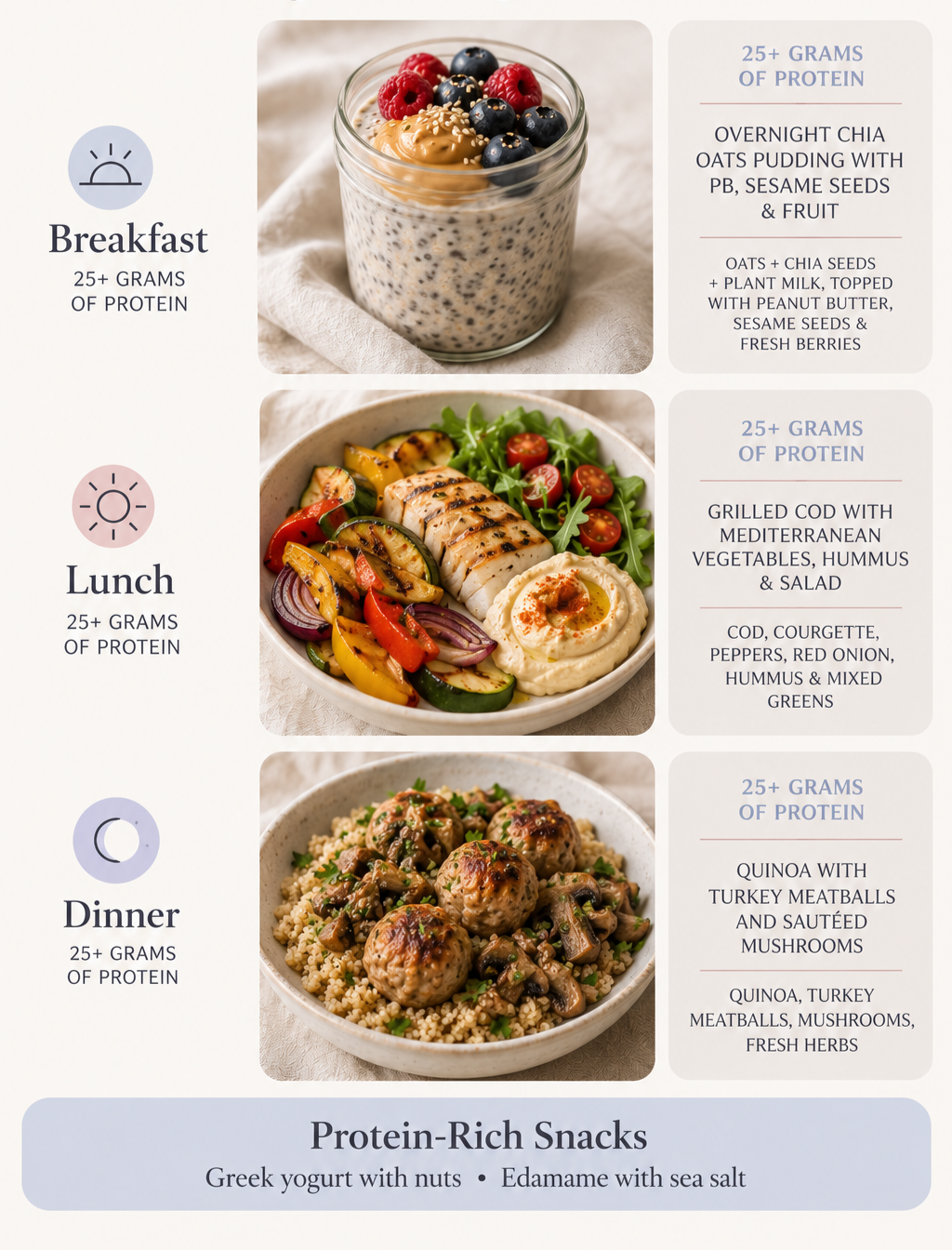
CLICK TO OPEN : Reference to ensure more than 30 g of protein in each main meal.
3 · Spreading it through the day
Muscle responds best to protein when it’s distributed in several moderate doses throughout the day instead of concentrated in one large meal. Current research suggests aiming for roughly 0.4 g of protein per kilogram of bodyweight at each eating occasion, across at least four meals or snacks, to maximise muscle protein synthesis and support recovery and adaptation (Schoenfeld & Aragon, 2018). For most adults this translates to spreading total daily protein into more evenly spaced portions rather than front‑loading or saving most for the evening.
In real life, the biggest practical gap for many people is breakfast. Typical morning choices — toast with jam, a sweet pastry, or just a coffee — tend to be high in carbohydrates but low in quality protein, which makes it harder to reach that ~0.4 g/kg per meal target early in the day. Small, simple swaps and additions make a substantial difference: plain Greek or skyr yoghurt, cottage cheese or ricotta, a couple of eggs (boiled, scrambled or poached), a portion of smoked salmon, a handful of mixed nuts, or a plant‑based alternative such as fortified tofu or a soy yoghurt can meaningfully raise the protein content of breakfast.
Practical examples:
For a 70 kg person, the target of ~0.4 g/kg per meal equals about 28 g protein per eating occasion. That could be achieved with two eggs (12–14 g) plus 150 g Greek yoghurt (10–15 g), or a 150 g portion of tofu scramble with veg.
If you prefer plant‑based options, combine complementary sources: a smoothie made with pea or soy protein powder, soy milk, oats and nut butter can easily hit the target while remaining balanced.
For on‑the‑go mornings, keep high‑protein snacks handy: individual cottage cheese pots, hard‑boiled eggs, small cans of tuna or salmon, or mixed nuts plus a protein‑rich yoghurt.
Why it matters: distributing protein intake across the day sustains muscle protein synthesis more effectively than a single large bolus, supports recovery after exercise, helps preserve lean mass during weight loss, and can increase satiety. Aim to include a high‑quality protein source at breakfast, lunch, an afternoon snack or small meal, and dinner to align with the ~0.4 g/kg per meal guideline.

4 · Why it matters more after 40
From about midlife onward, our muscles stop responding as well to the same signals they used to receive — a process often called anabolic resistance. That doesn’t mean decline is inevitable, but it does mean we need to be more intentional with nutrition and movement. Without action, muscle mass and strength tend to fall gradually, which can affect balance, mobility and everyday independence.
Research and expert consensus show that older adults need a higher protein intake than commonly recommended for younger people. An expert panel on protein for older adults advised aiming for at least 1.0–1.2 g of protein per kilogram of body weight per day for people over 65, with larger amounts recommended for those who are regularly active (Bauer et al., 2013). In everyday terms, that’s roughly 70–84 g of protein per day for a 70 kg person, and more if you exercise often.
Crucially, protein works best when combined with regular strength training. Resistance work — whether with weights, bodyweight or pilates reformer and equipment like the chair and barrel — helps muscle fibres respond to protein and grow stronger. Together, targeted strength sessions and sufficient daily protein are the most effective way to preserve muscle, maintain balance and protect independence as we age. We’ll dive deeper into the training side in December, with practical guidance on exercises and programming you can use at home or in our 1-on-1 sessions.
5 · Plant-based protein
You can absolutely meet your needs on a plant-based diet. Two things help: variety, because different plant foods complement each other’s amino acids, and slightly larger amounts, because plant proteins are a little less digestible on average.
Good plant sources
Lentils, chickpeas, beans, peas
tofu, tempeh, edamame
seitan
nuts and seeds
wholegrains like oats and quinoa
soy or pea-based yoghurts and drinks
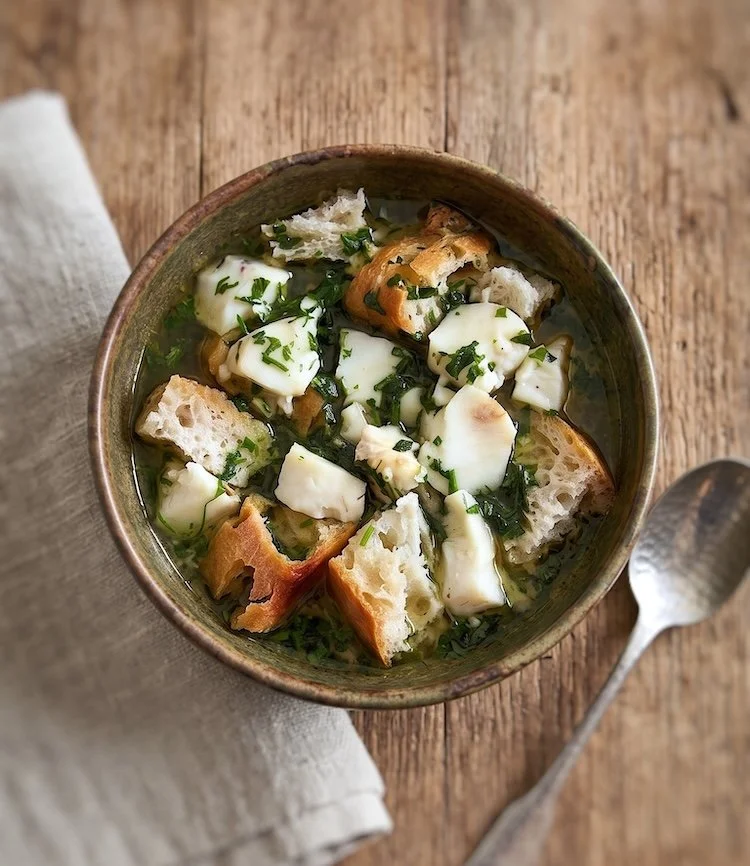
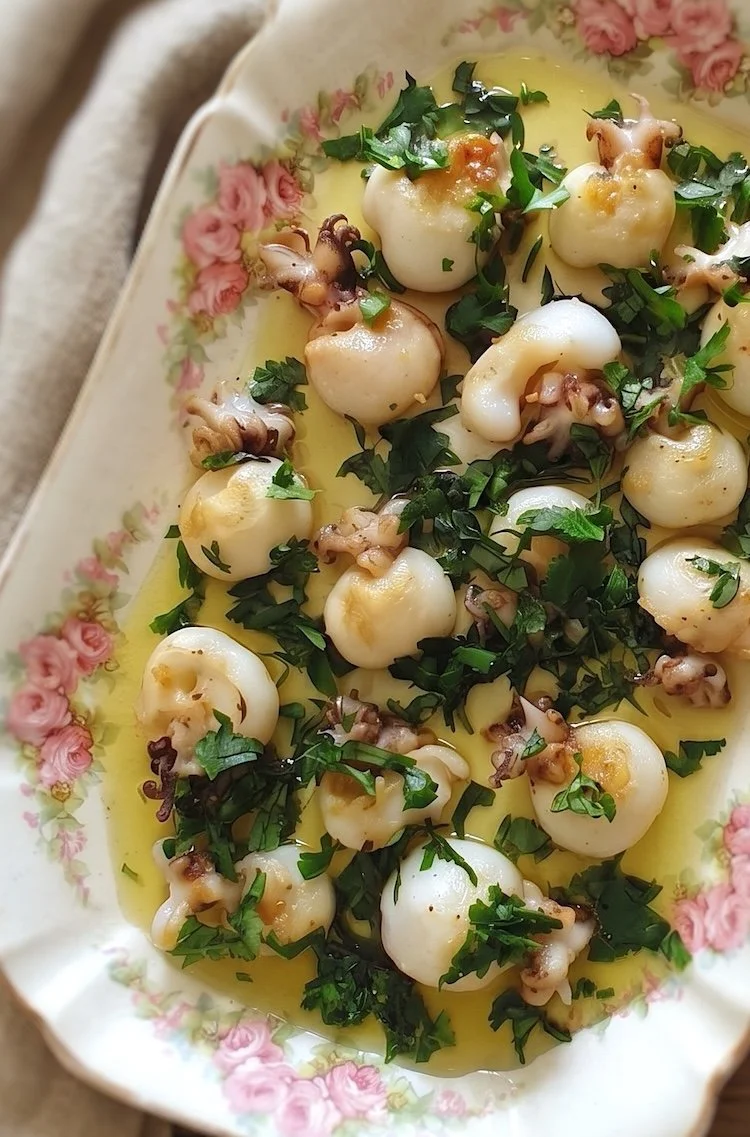
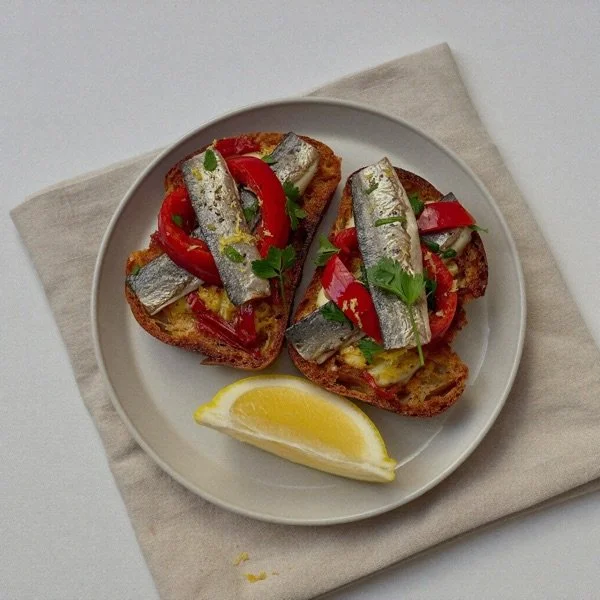
6 · A Portuguese table full of protein
7 · Two myths
“Too much protein damages your kidneys.” A meta-analysis found that higher-protein diets didn’t change kidney function in people with healthy kidneys (Devries et al., 2018). If you have kidney disease, this is different, and your doctor should guide you.
“You need a shake straight after training.” Total protein across the day matters far more than a 30-minute window. A protein powder is just food in convenient form: useful if it helps, not necessary.
8 · A note on collagen
This one connects back to our fascia series. Collagen is the main protein in tendons, ligaments and fascia. One small study found that taking gelatin with vitamin C about an hour before a short bout of exercise increased markers of collagen synthesis (Shaw et al., 2017). It’s promising but early research. The basics still matter most: enough total protein, enough vitamin C from fruit and vegetables, and regular loading of the tissue.
9 · What it looks like on a plate
You don’t need to weigh anything. It helps to know roughly what a protein-rich meal contains. Approximate values:
About 15–25 g of protein
3 eggs (≈ 18 g)
150 g plain Greek yoghurt (≈ 15 g)
a tin of sardines, drained (≈ 20 g)
100 g cooked bacalhau or chicken (≈ 23–25 g)
150 g firm tofu (≈ 20 g)
200 g cooked lentils or chickpeas (≈ 17–18 g)
Values vary by product and preparation. Use them as a guide, not a target.
Include a clear protein source at every meal, start with breakfast, vary your sources, and pair it with strength work. Your training gives the signal; protein lets your body answer it.
Next in the series: fat doesn’t make you fat, and why your hormones need it.
References1. EFSA Panel on Dietetic Products, Nutrition and Allergies. Scientific opinion on dietary reference values for protein. EFSA J. 2012;10(2):2557.2. Jäger R et al. International Society of Sports Nutrition position stand: protein and exercise. J Int Soc Sports Nutr. 2017;14:20.3. Morton RW et al. A systematic review, meta-analysis and meta-regression of the effect of protein supplementation on resistance training-induced gains in muscle mass and strength in healthy adults. Br J Sports Med. 2018;52(6):376–384.4. Schoenfeld BJ, Aragon AA. How much protein can the body use in a single meal for muscle-building? J Int Soc Sports Nutr. 2018;15:10.5. Bauer J et al. Evidence-based recommendations for optimal dietary protein intake in older people: a position paper from the PROT-AGE Study Group. J Am Med Dir Assoc. 2013;14(8):542–559.6. Devries MC et al. Changes in kidney function do not differ between healthy adults consuming higher- compared with lower- or normal-protein diets: a systematic review and meta-analysis. J Nutr. 2018;148(11):1760–1775.7. Shaw G et al. Vitamin C–enriched gelatin supplementation before intermittent activity augments collagen synthesis. Am J Clin Nutr. 2017;105(1):136–143.I’m a Pilates teacher, not a nutritionist or doctor. This content is for general education only and isn’t personal medical or nutritional advice. Before making changes to your diet or taking supplements, please talk to your doctor or a registered nutritionist, especially if you have a health condition, take medication or are pregnant.Please paste the text you want translated and expanded, and I will translate it into English and expand it with additional detail tailored to your needs (e.g., marketing copy, class description, client intake form, social post). Indicate any specific tone, audience, or length preferences if you have them.